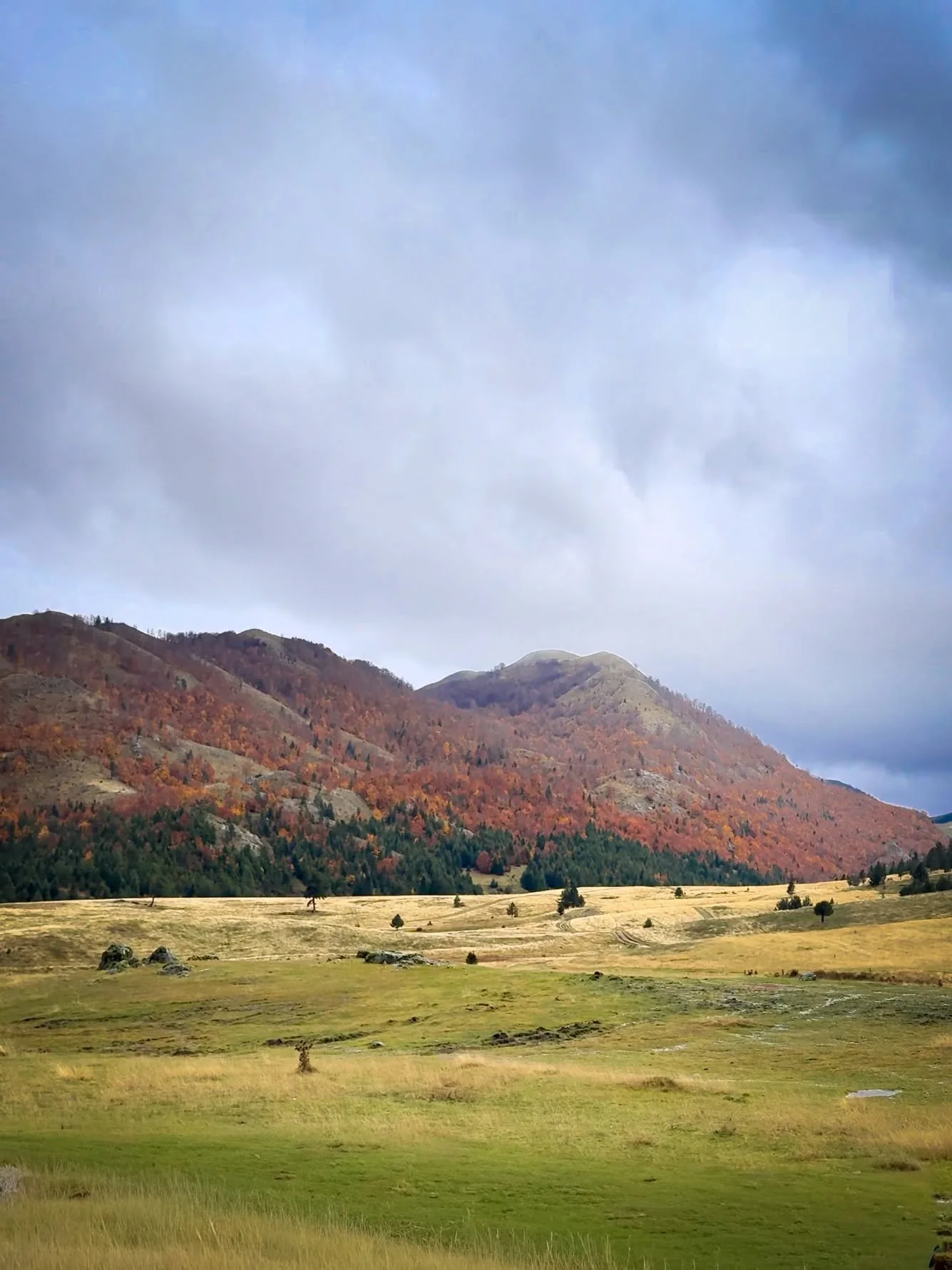
Spring in Dibër
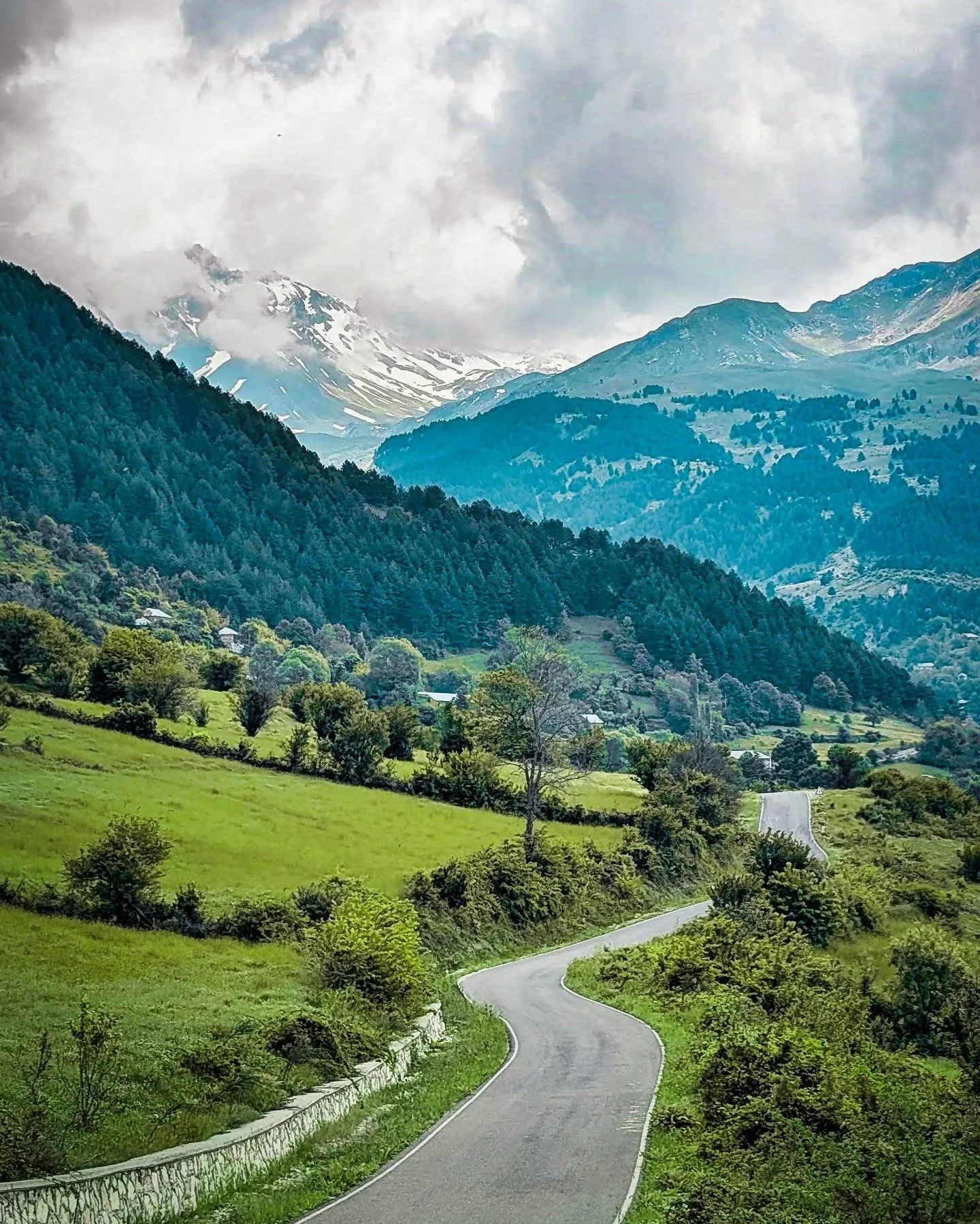
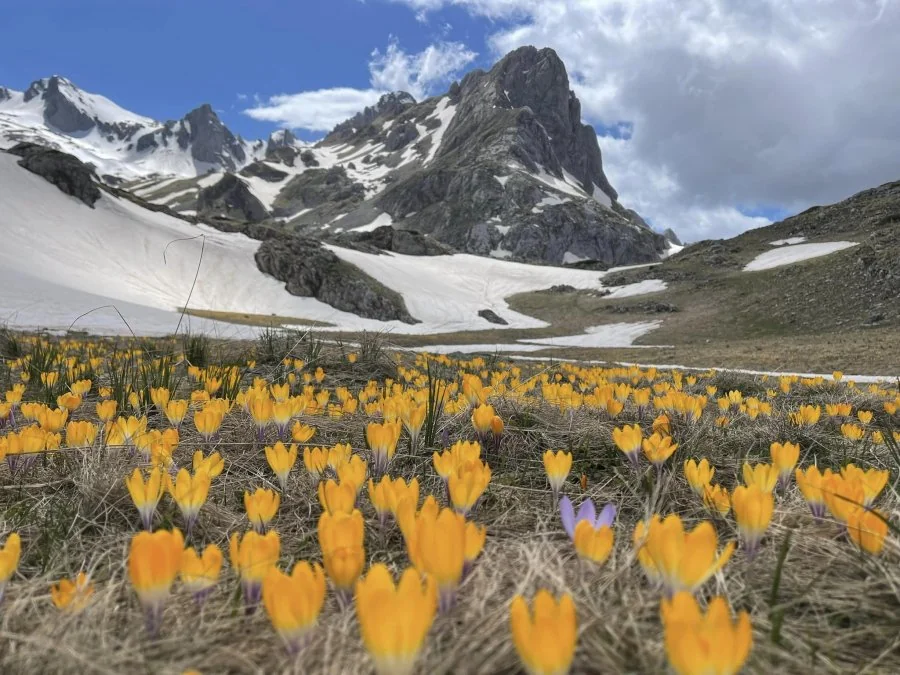
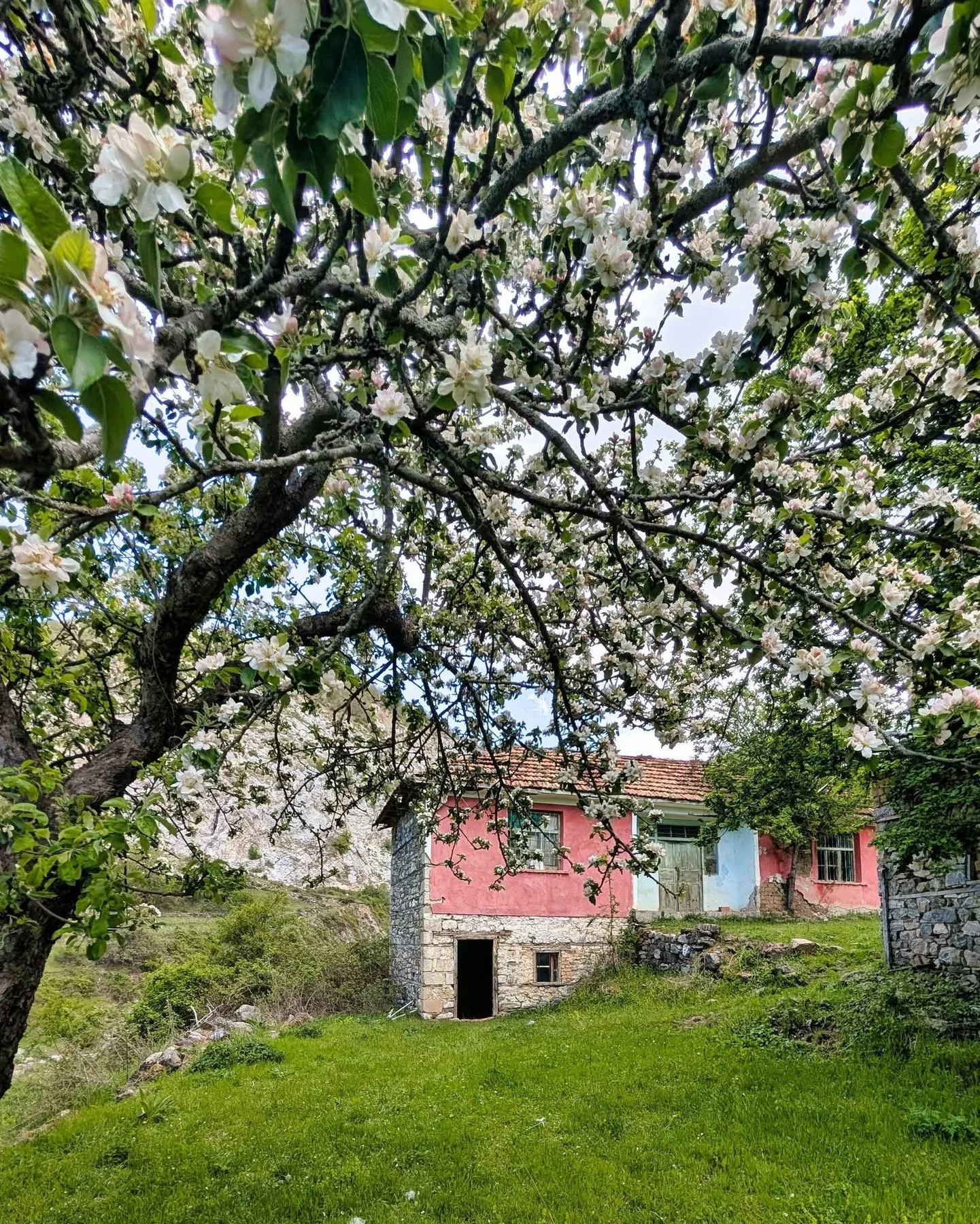
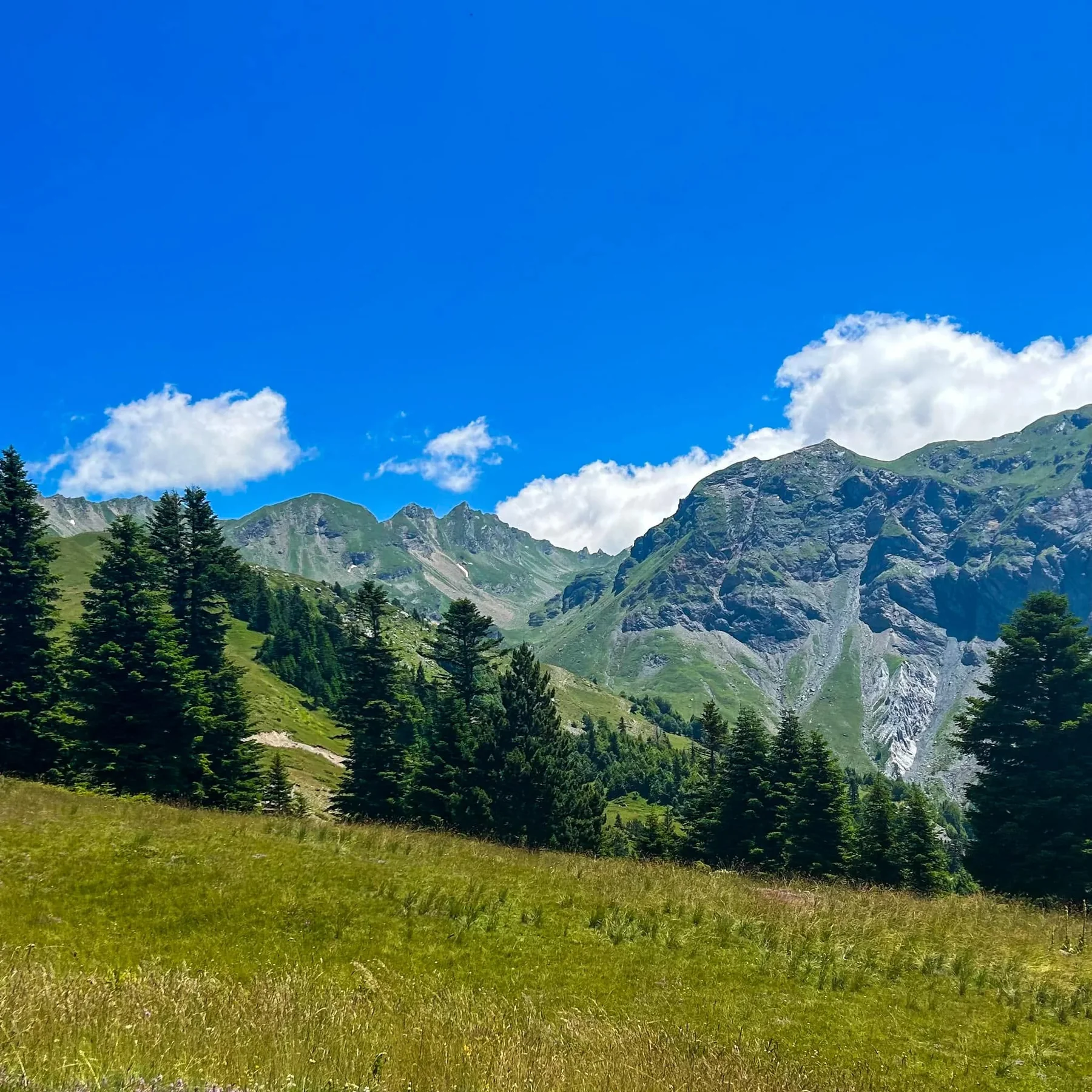
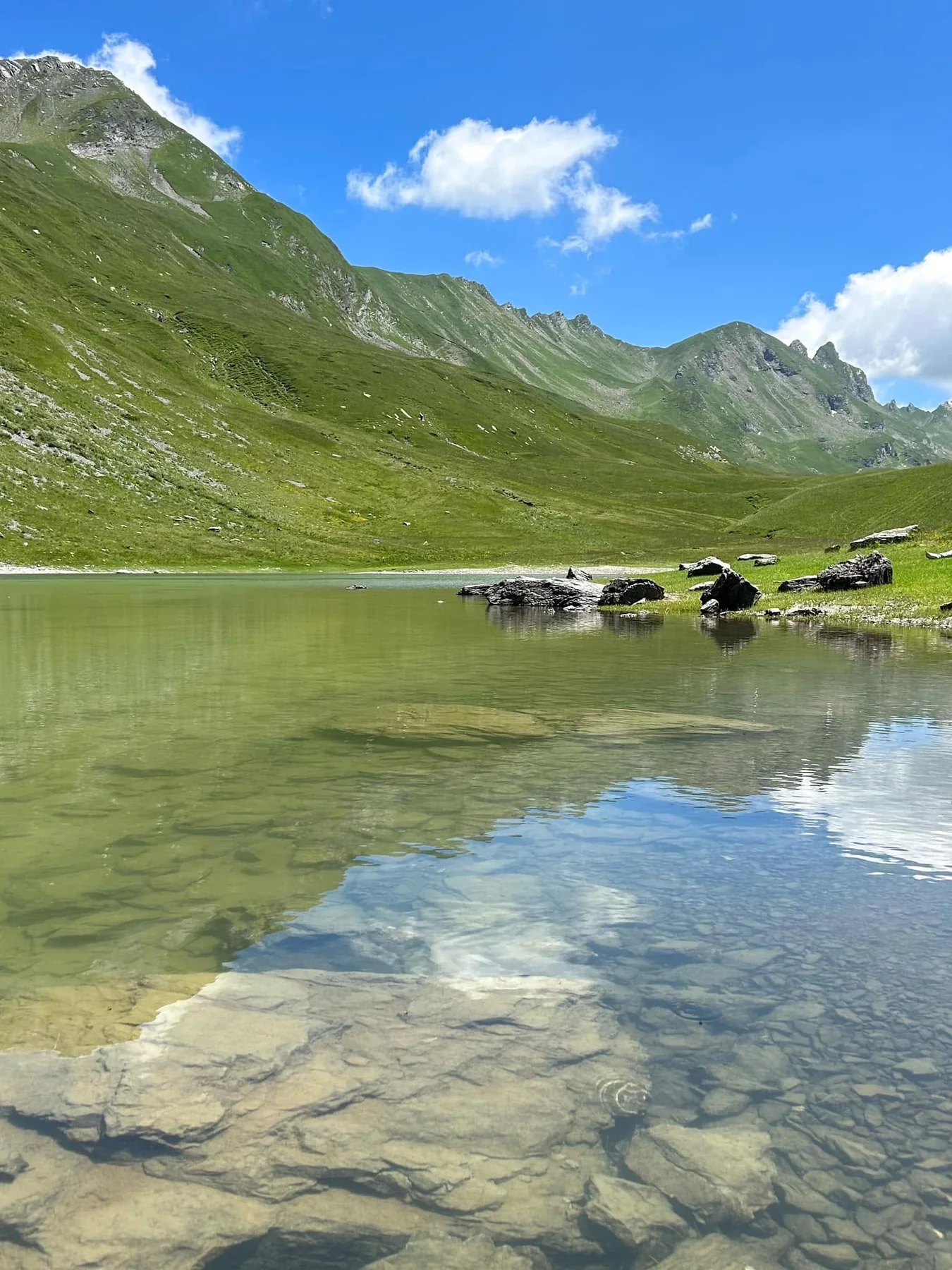
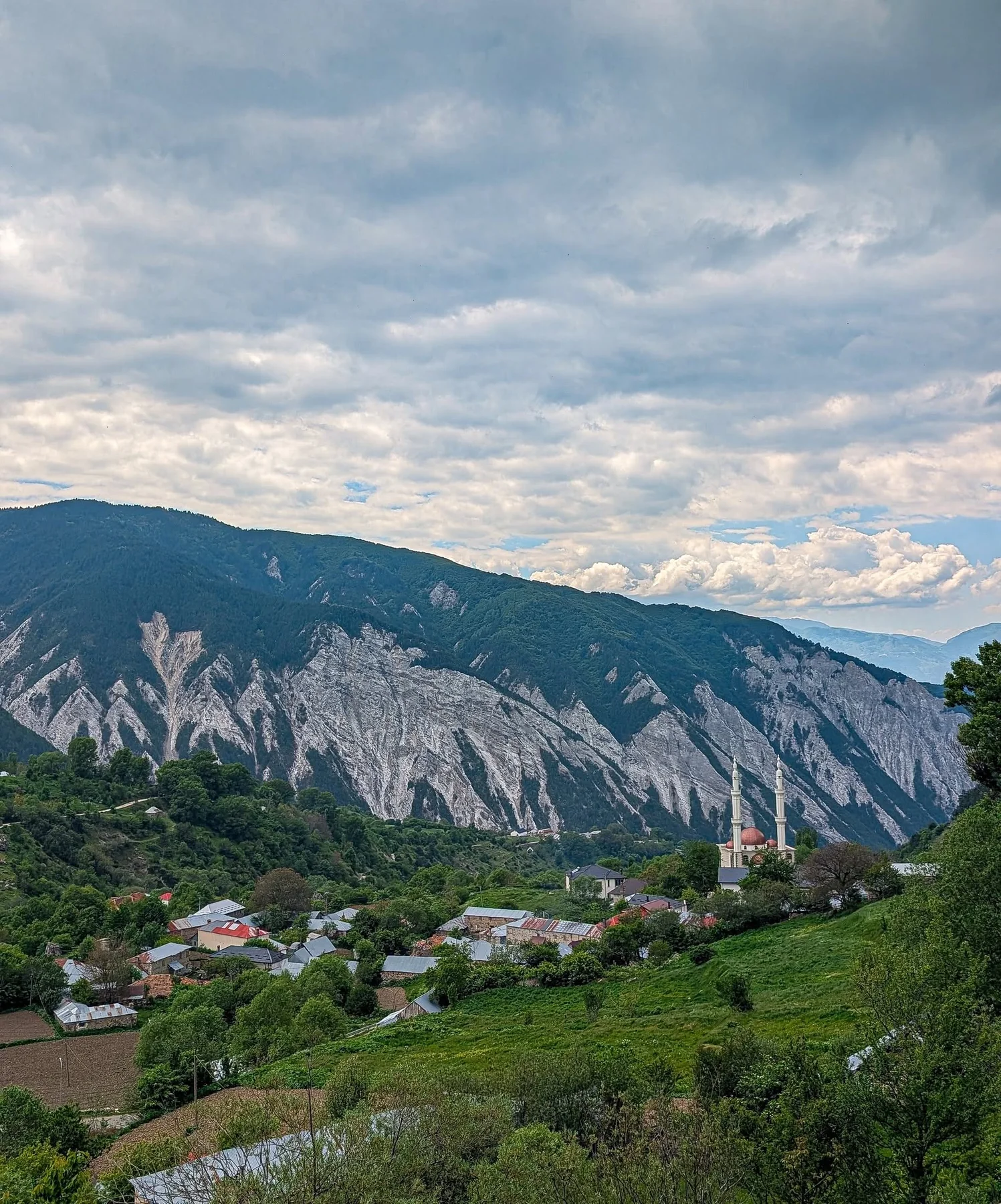
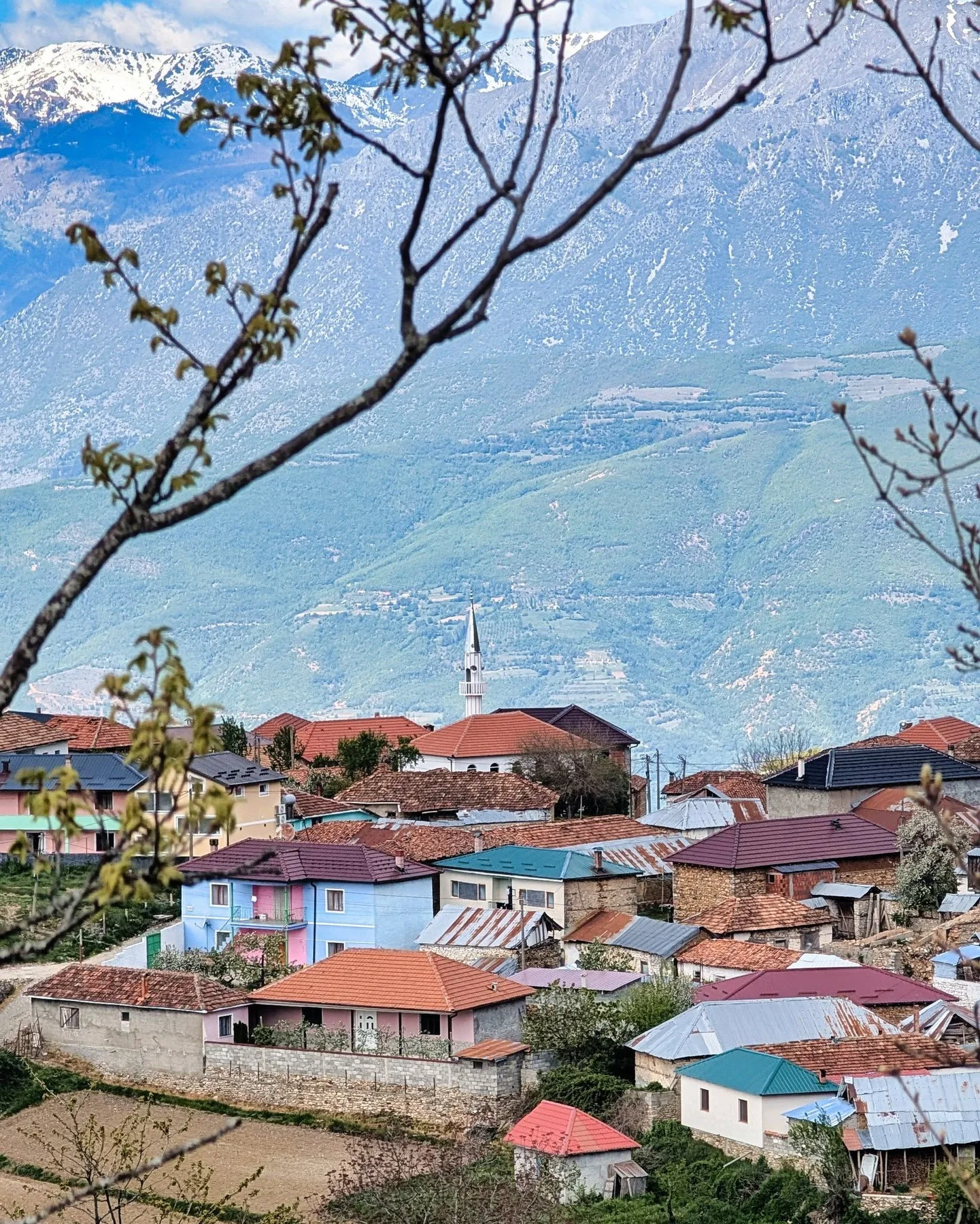
Green villages, abundant springs and valley walks. High altitudes may still have snow, so confirm roads.
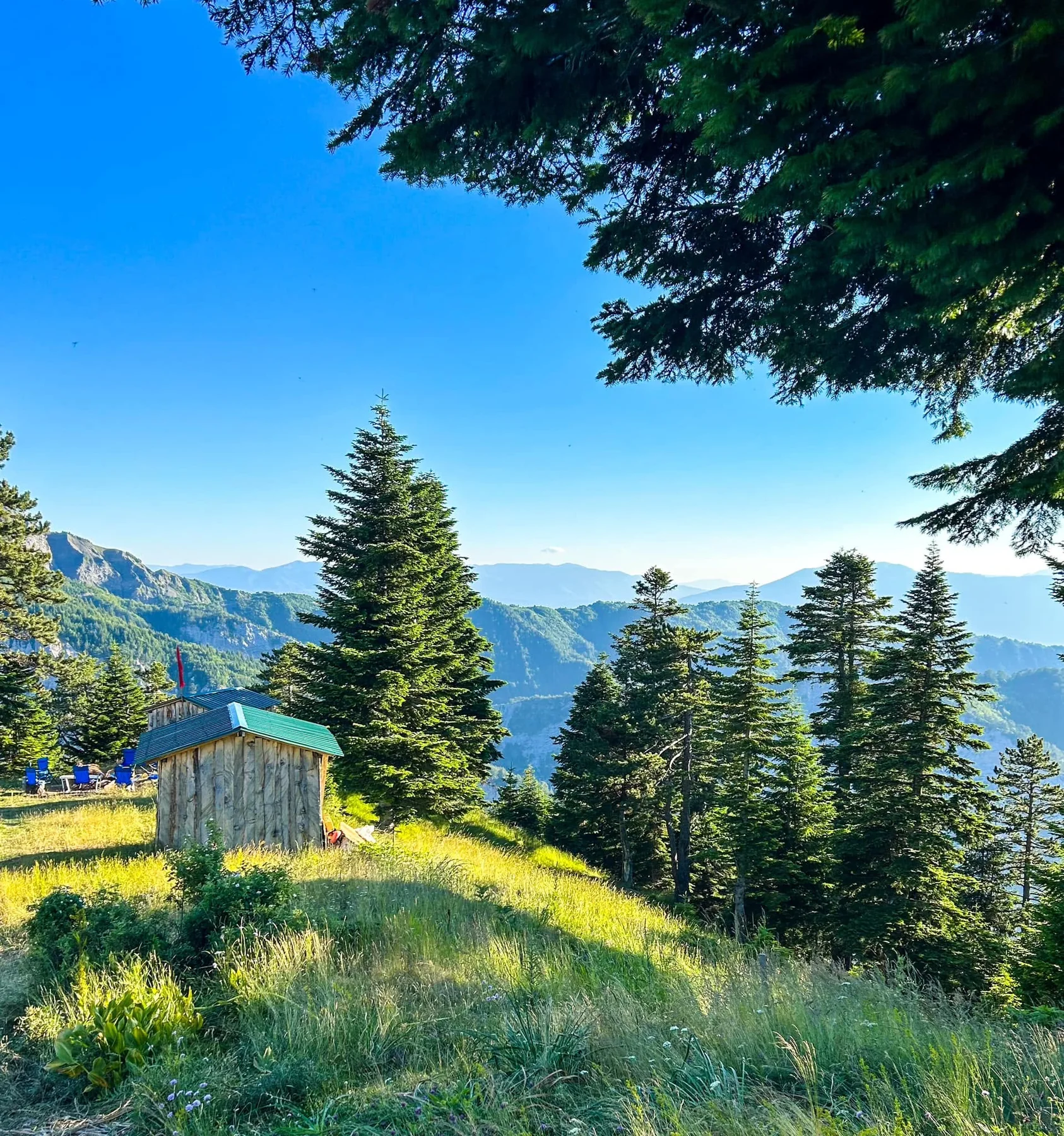
- Villages & pastures
- Walks in Peshkopi
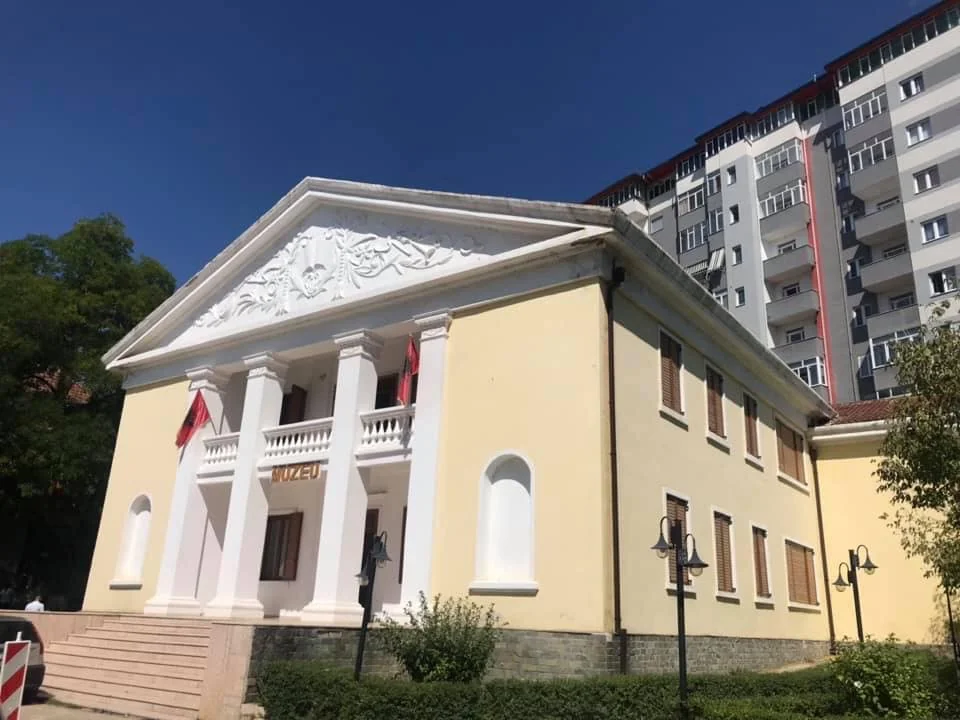
- Dibër Museum
Between Mount Korab, the alpine lakes of Lurë, the Black Drin and the thermal waters of Peshkopi, Dibër is a region where nature, history and hospitality fit into the same day.
Everything you need for your trip, clearly organised in six entry points.


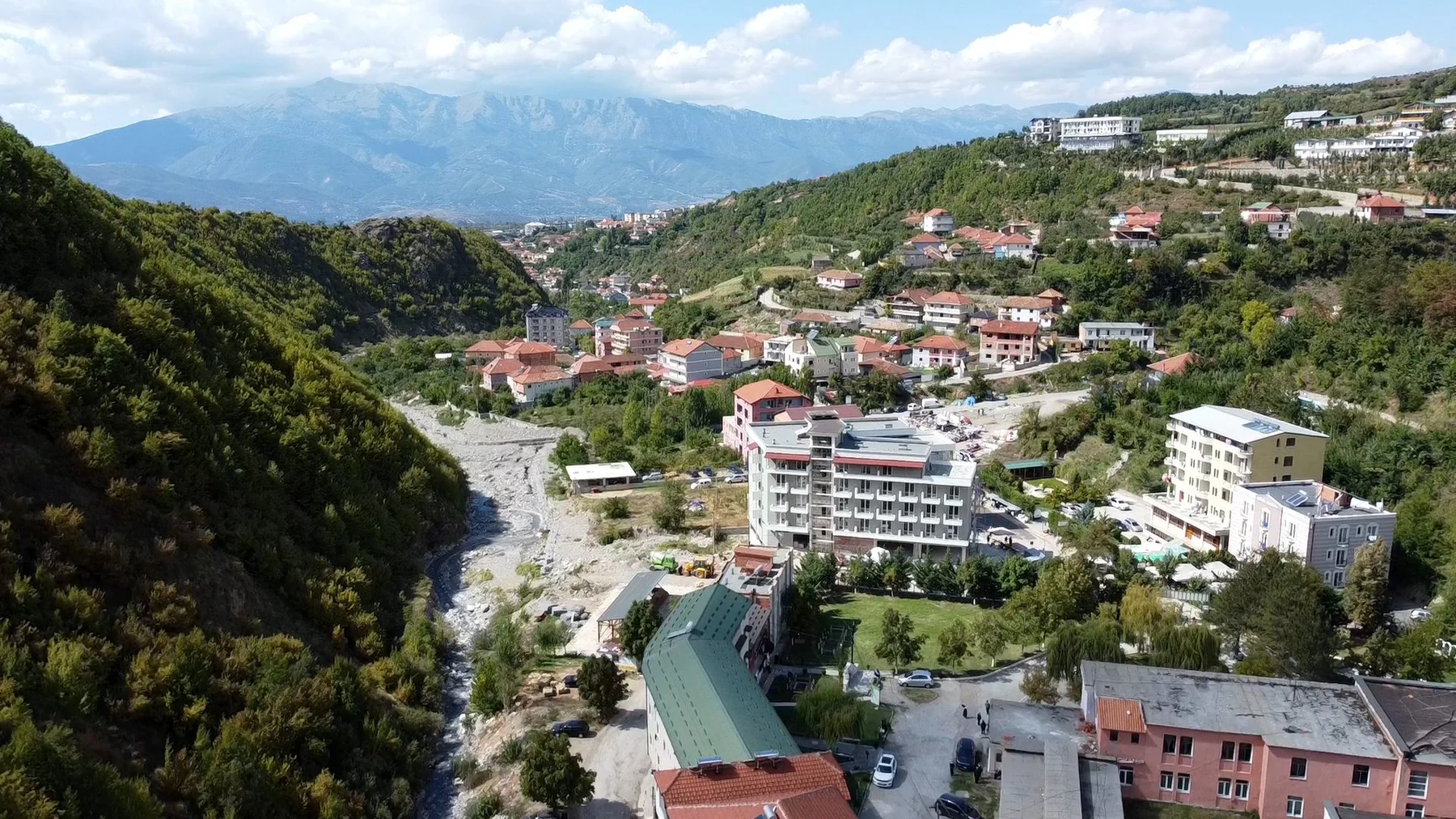
Dibër lies in north-eastern Albania, along the valley of the Black Drin. Peshkopi is its centre and the easiest starting point for any excursion: from the thermal springs and museum to stone villages and glacial lakes.
Historically, the name Dibër refers to a wider region now split between Albania and North Macedonia. That is why Dibër’s heritage, from Skanderbeg to the towers of Lurë, is felt on both sides of the border.
Filter by interest or search for a place. Each destination has a guide with map, gallery and practical tips.
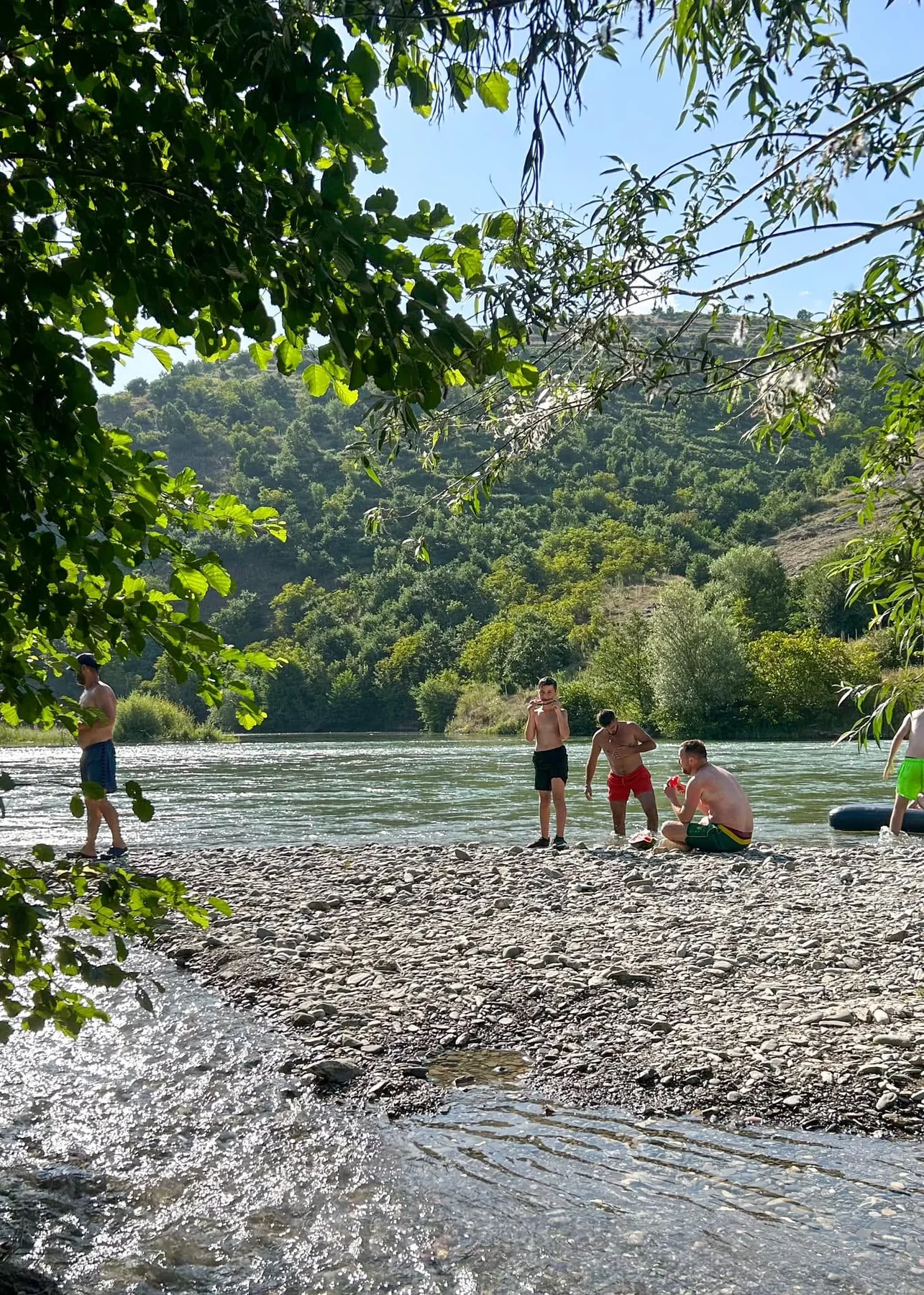
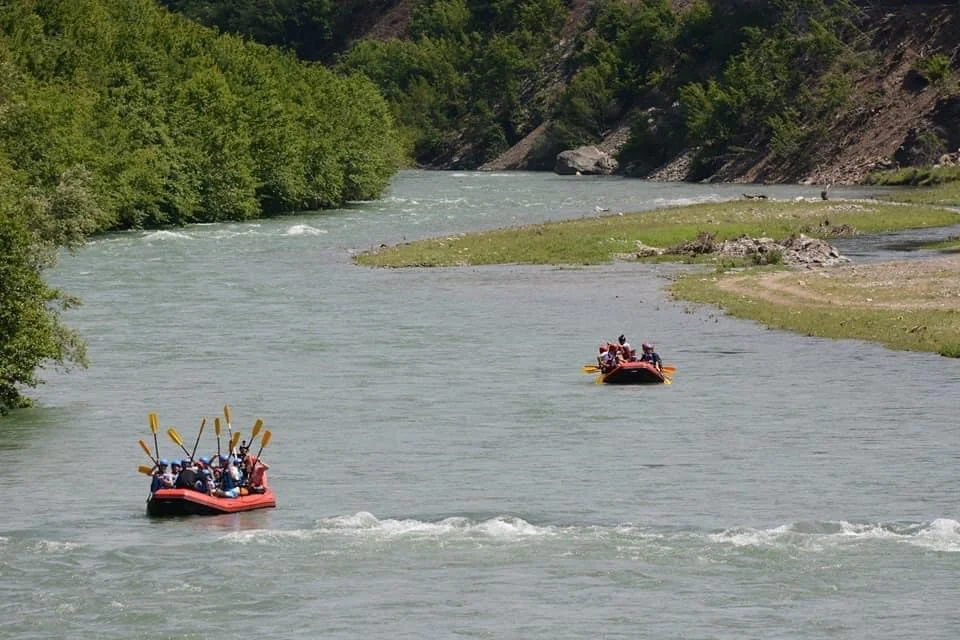
River & adventureThe main river corridor of the Dibër valley, with broad landscapes, bridges, villages and professionally organised water activities.
Highlands & viewsA mountain area known for summer pastures, springs, gypsum formations and its relative proximity to Peshkopi.
Mountain & hikingAlbania’s highest peak at 2,764 metres and the alpine symbol of Dibër.
Thermal springsThermal-mineral springs about 1.5 kilometres east of Peshkopi, with reported water temperatures of roughly 35–43.5°C.
Lakes & forestsA mountain region renowned for glacial lakes, forests, traditional tower houses and tranquil landscapes.
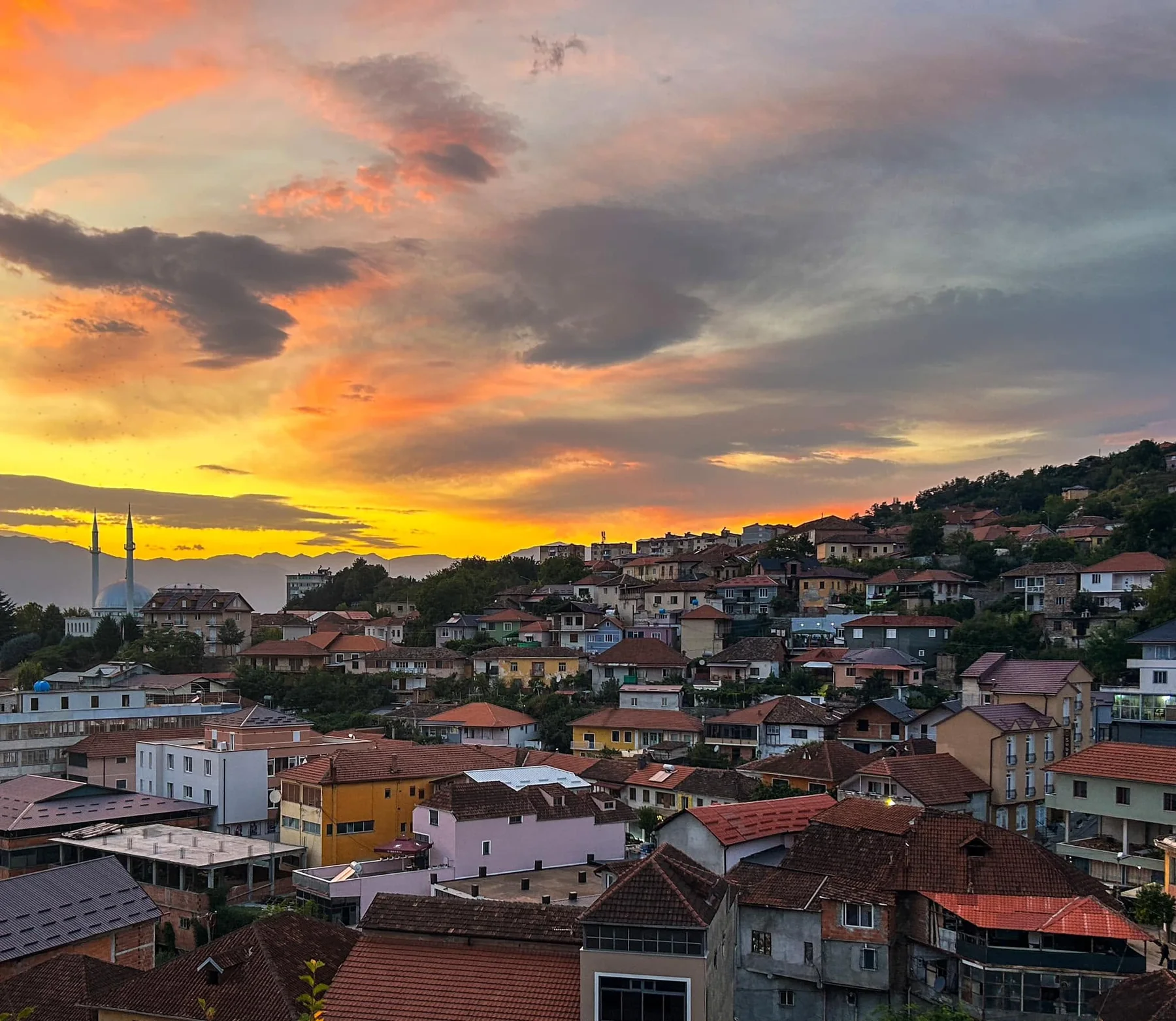
Town & cultureThe urban centre of Dibër and the most practical base for exploring thermal springs, villages, Korab, the Black Drin and local heritage.
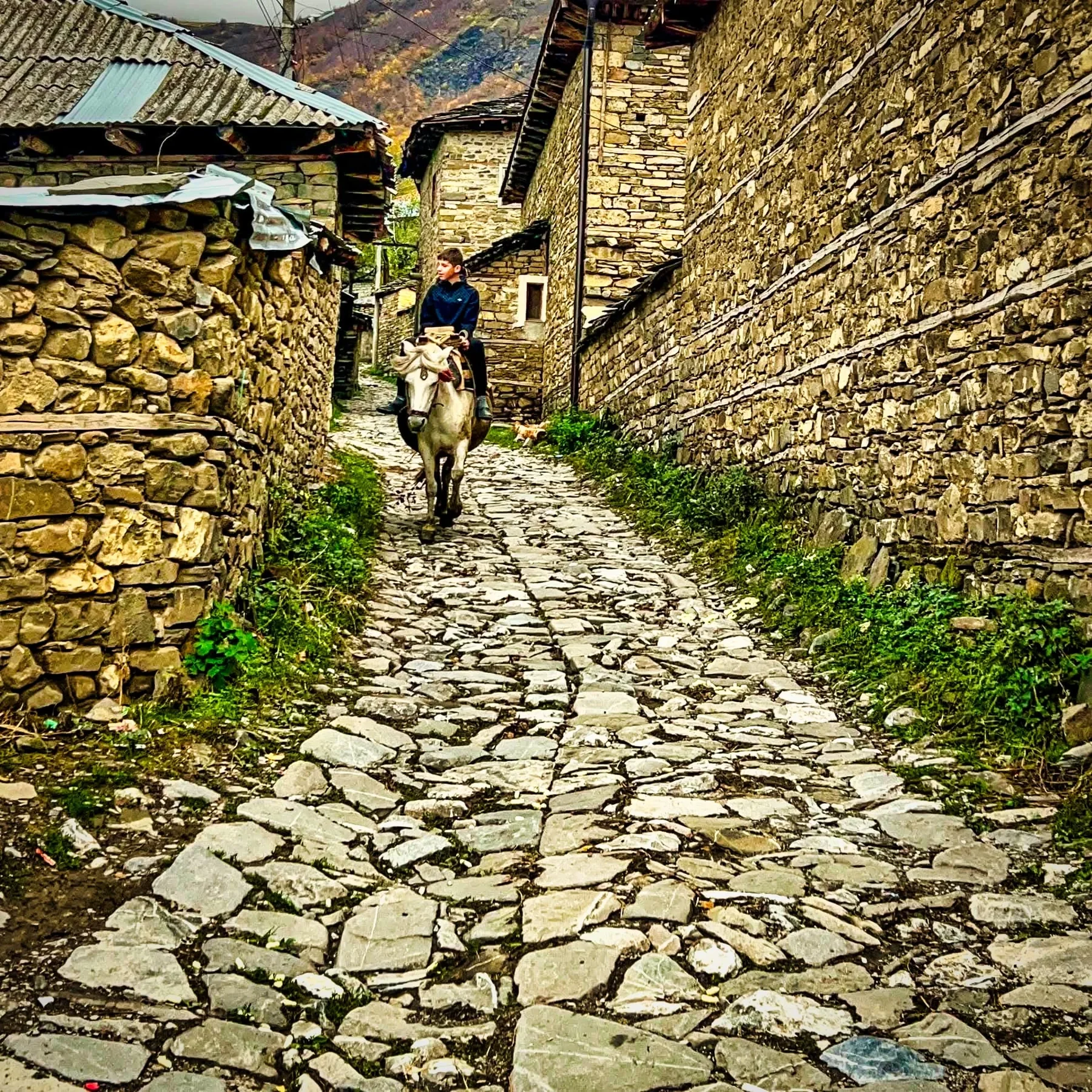
Tourism villageThe “stone village” of traditional houses, paved lanes, large gateways and family guesthouses.
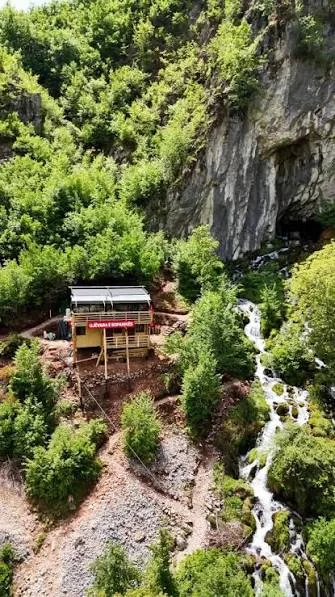
Waterfall & caveA lesser-known natural stop where flowing water, rock and a karst cavity form a distinctive landscape.
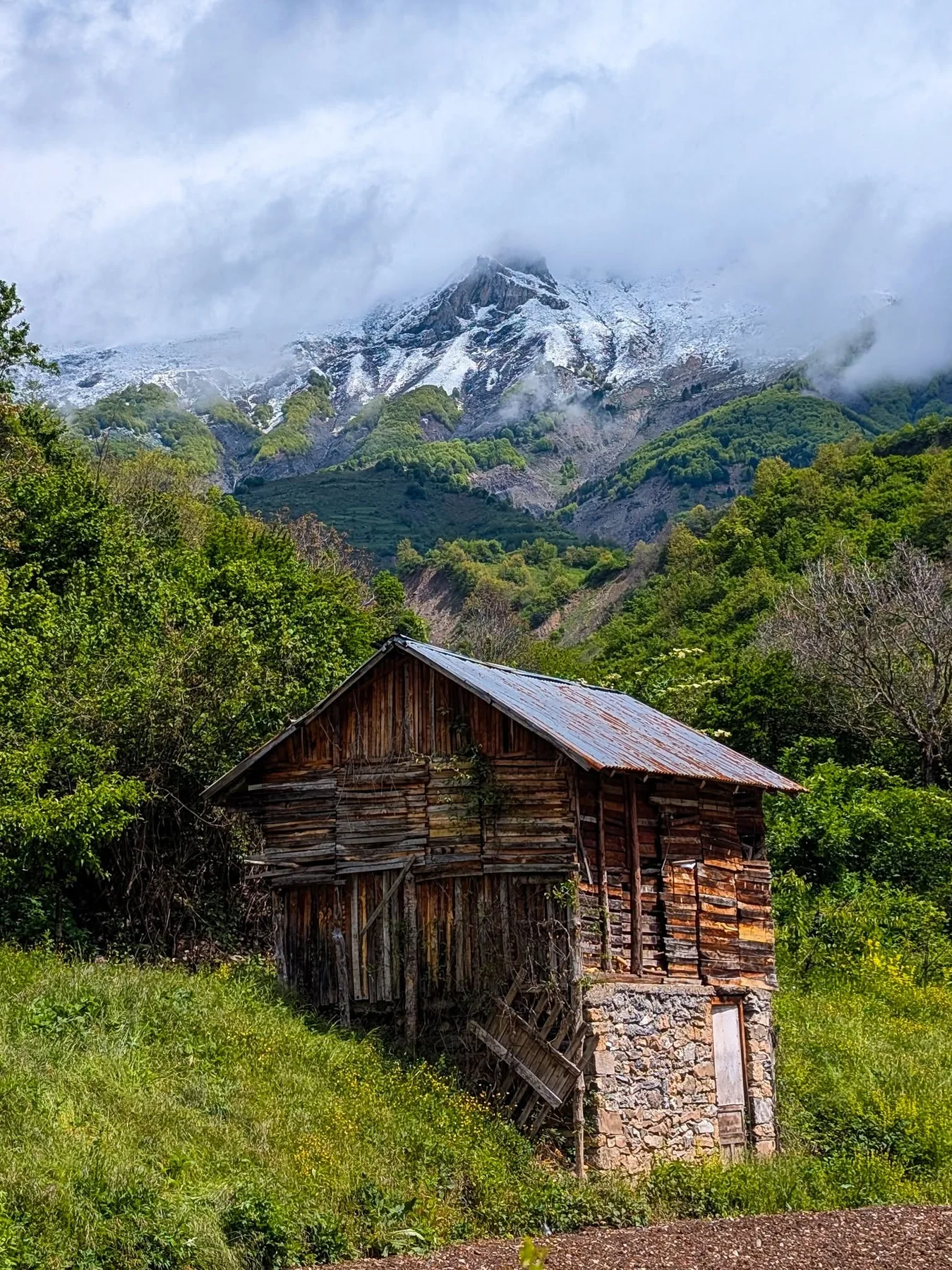
Rural architectureBahutë preserves examples of traditional rural architecture built in wood and stone, offering a glimpse into the historic way of life in Dibër.
Village & traditionA peaceful rural destination where mountain scenery, village houses and an old traditional mill preserve the atmosphere of an earlier way of life.
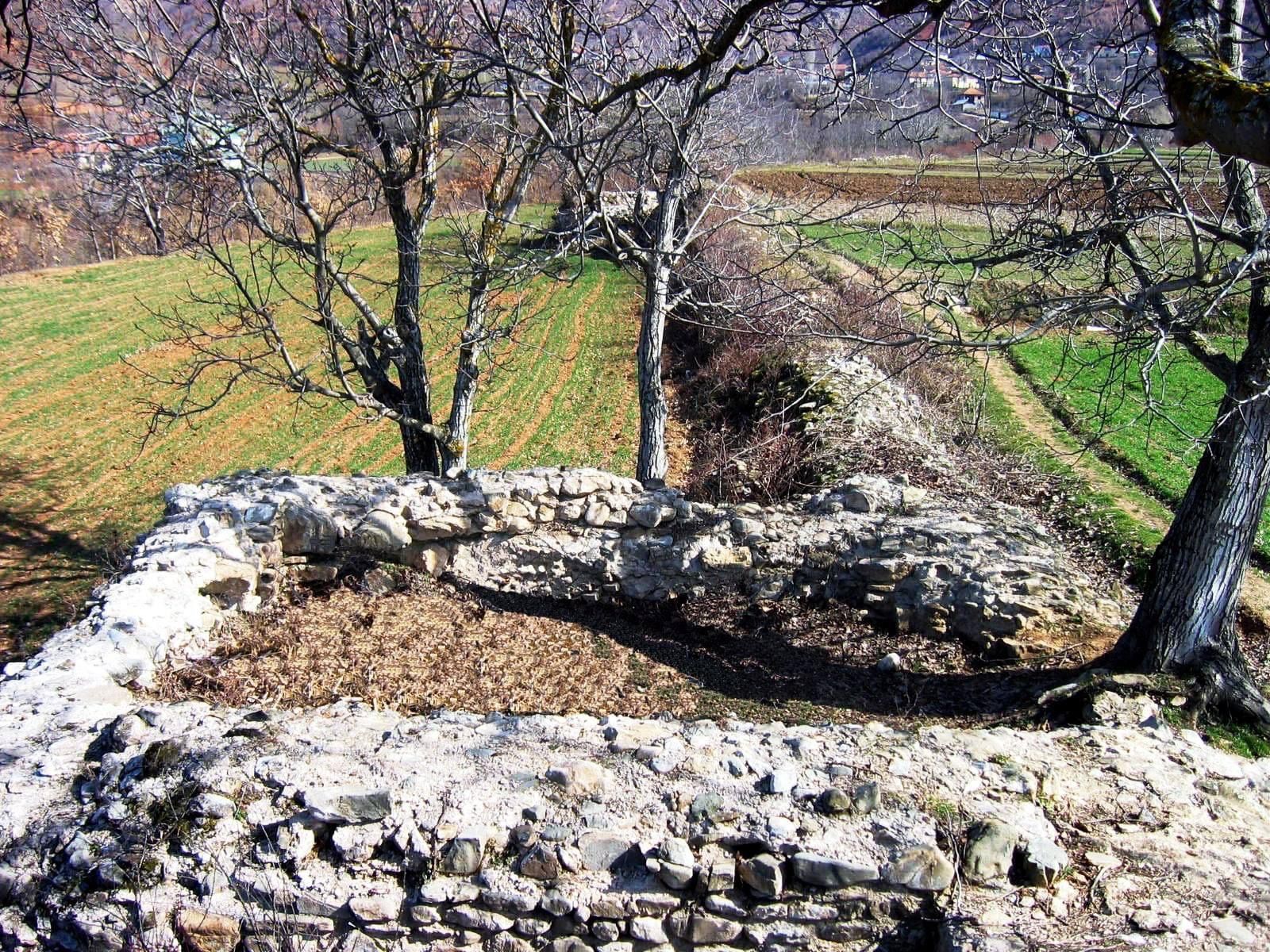
Archaeology & historyA Late Antique fortification and the largest visible archaeological monument in Dibër.
Karst caveA karst cave approximately 400 metres long, located at around 500 metres above sea level.
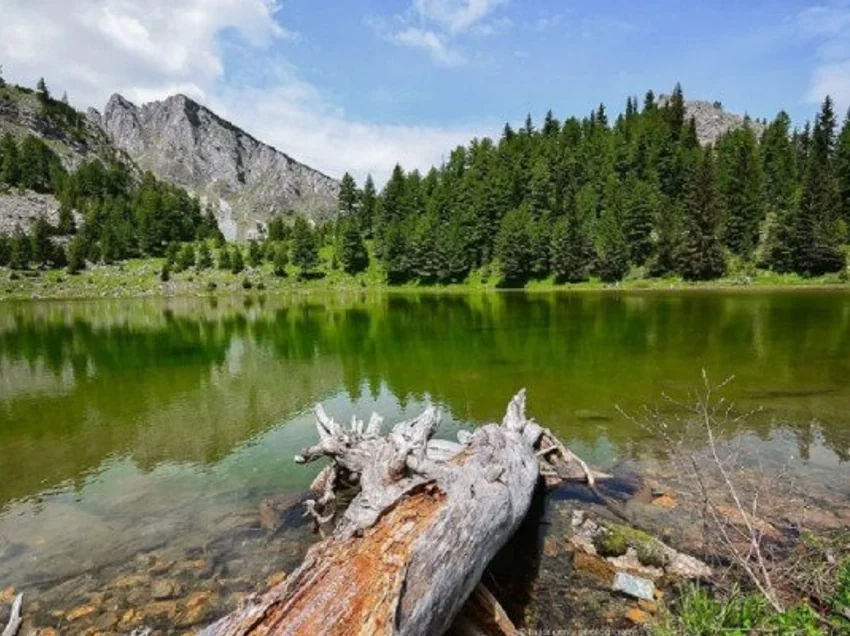
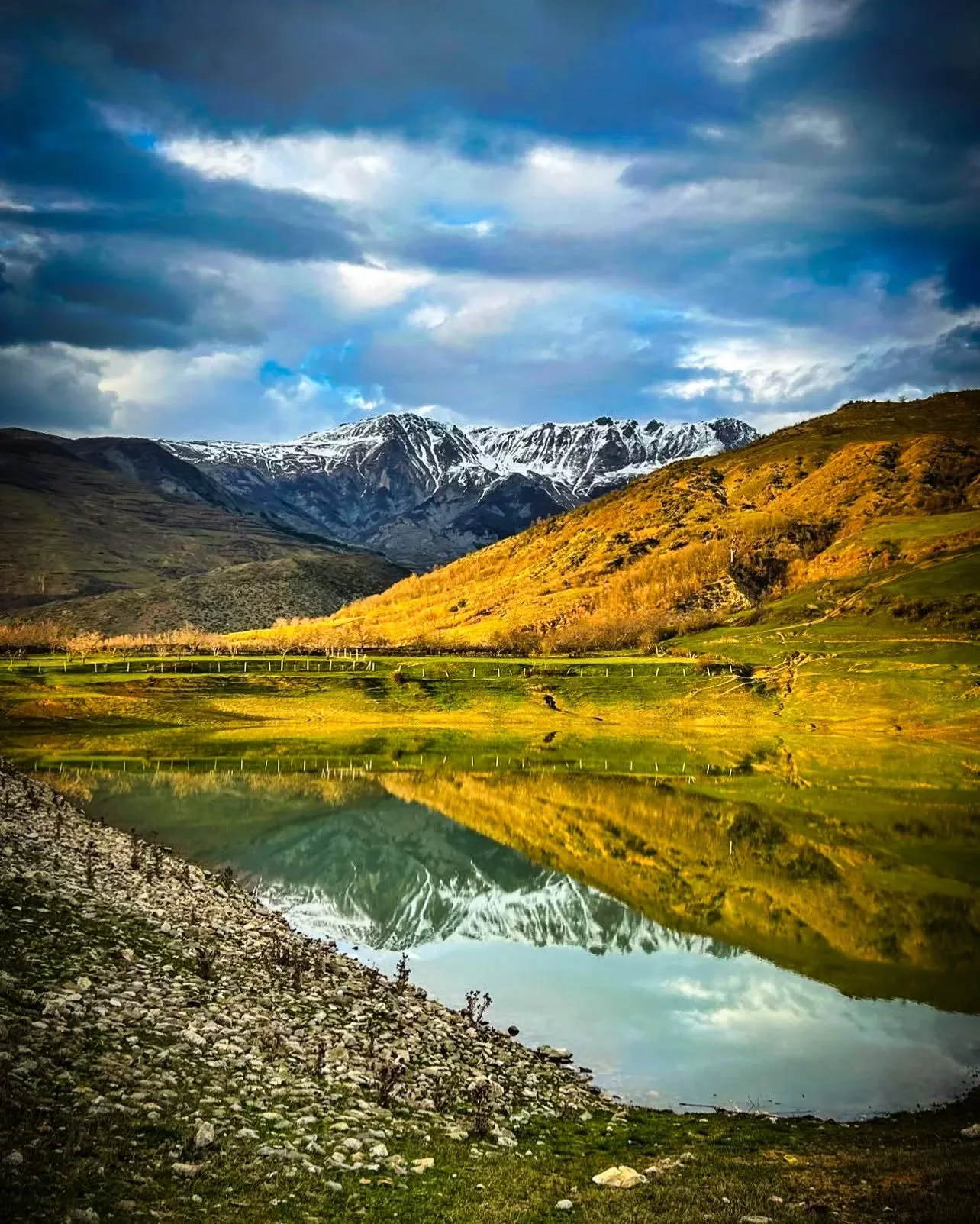
Alpine lakesGlacial lakes above 1,700 metres on the eastern side of Mount Balgjaj.
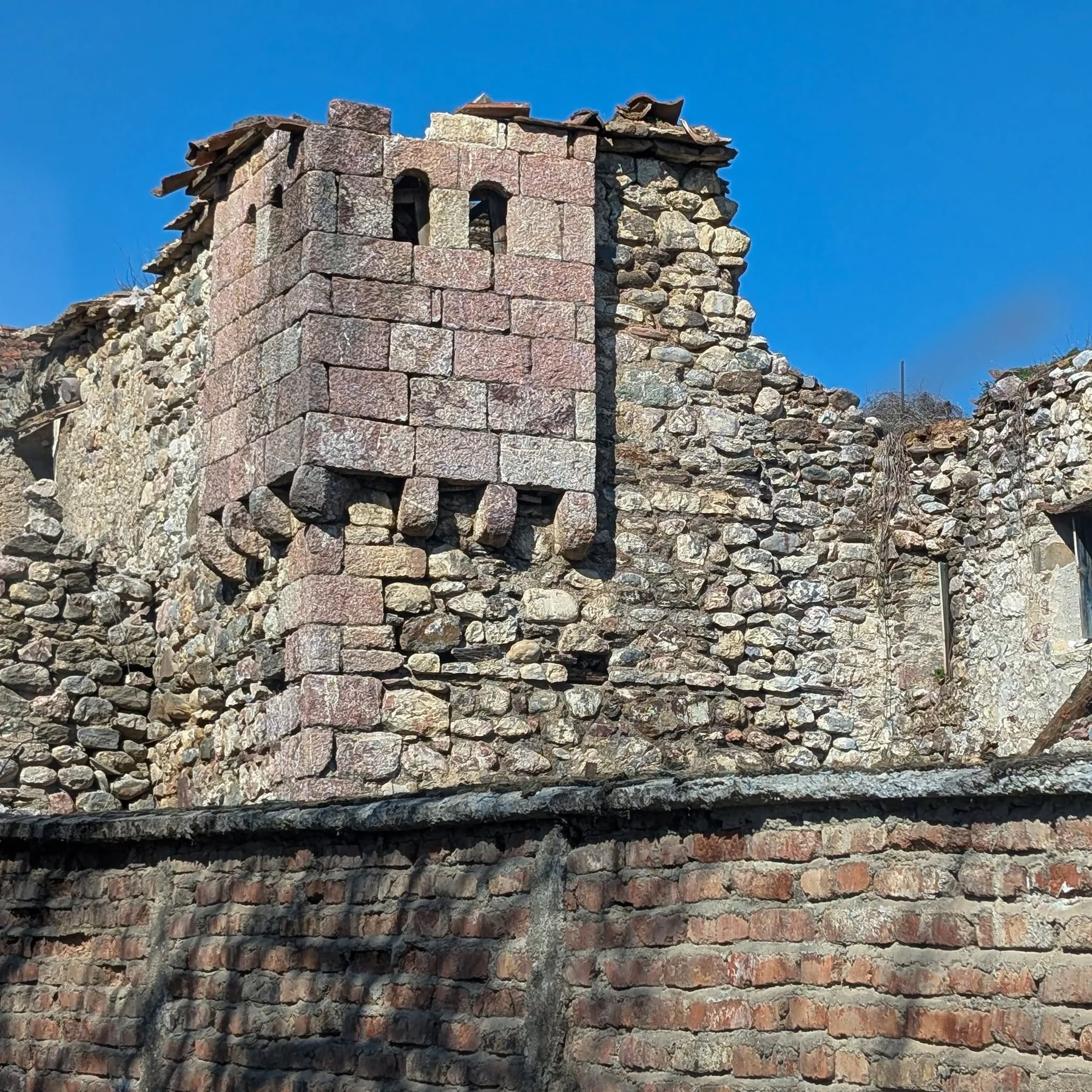
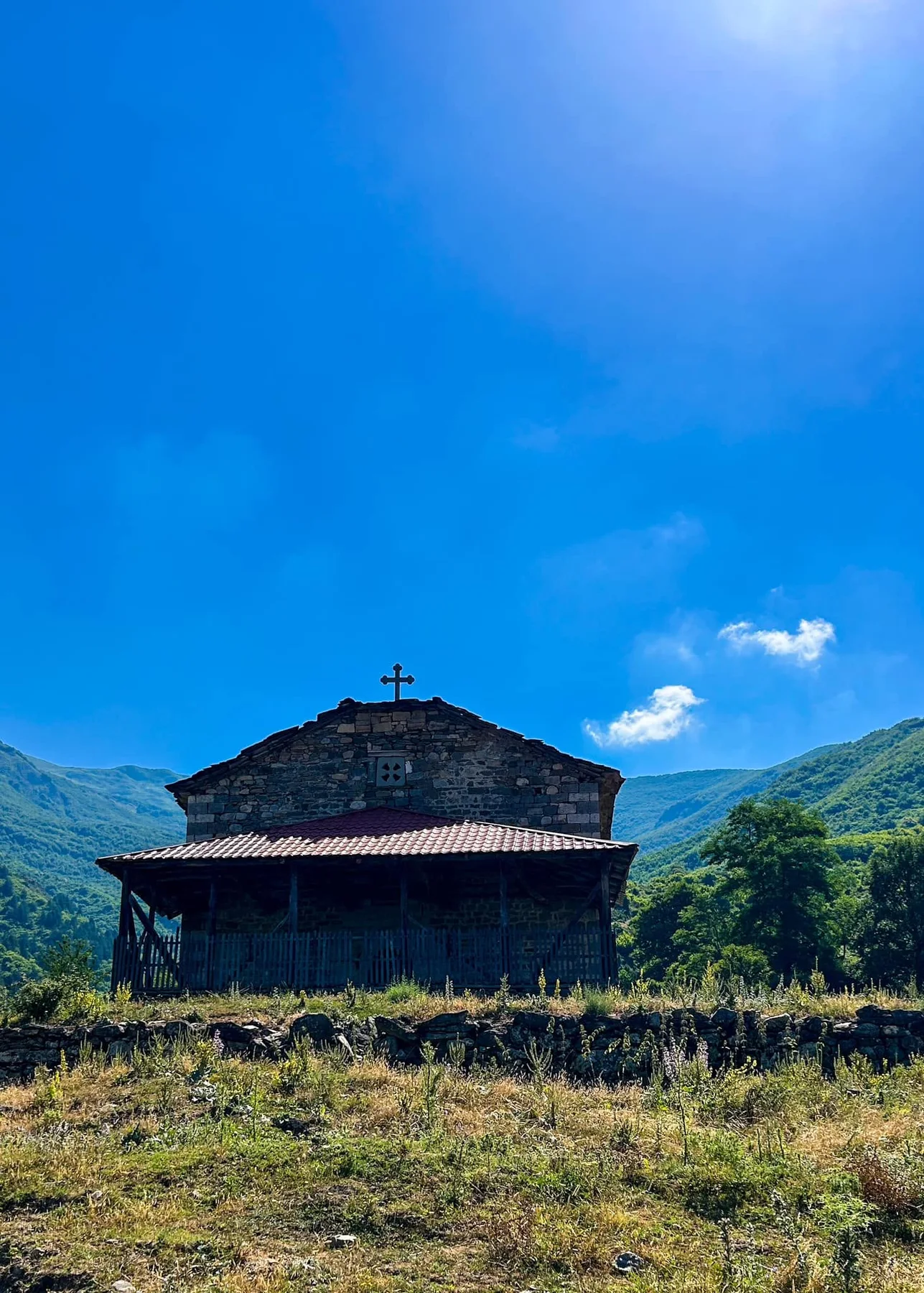
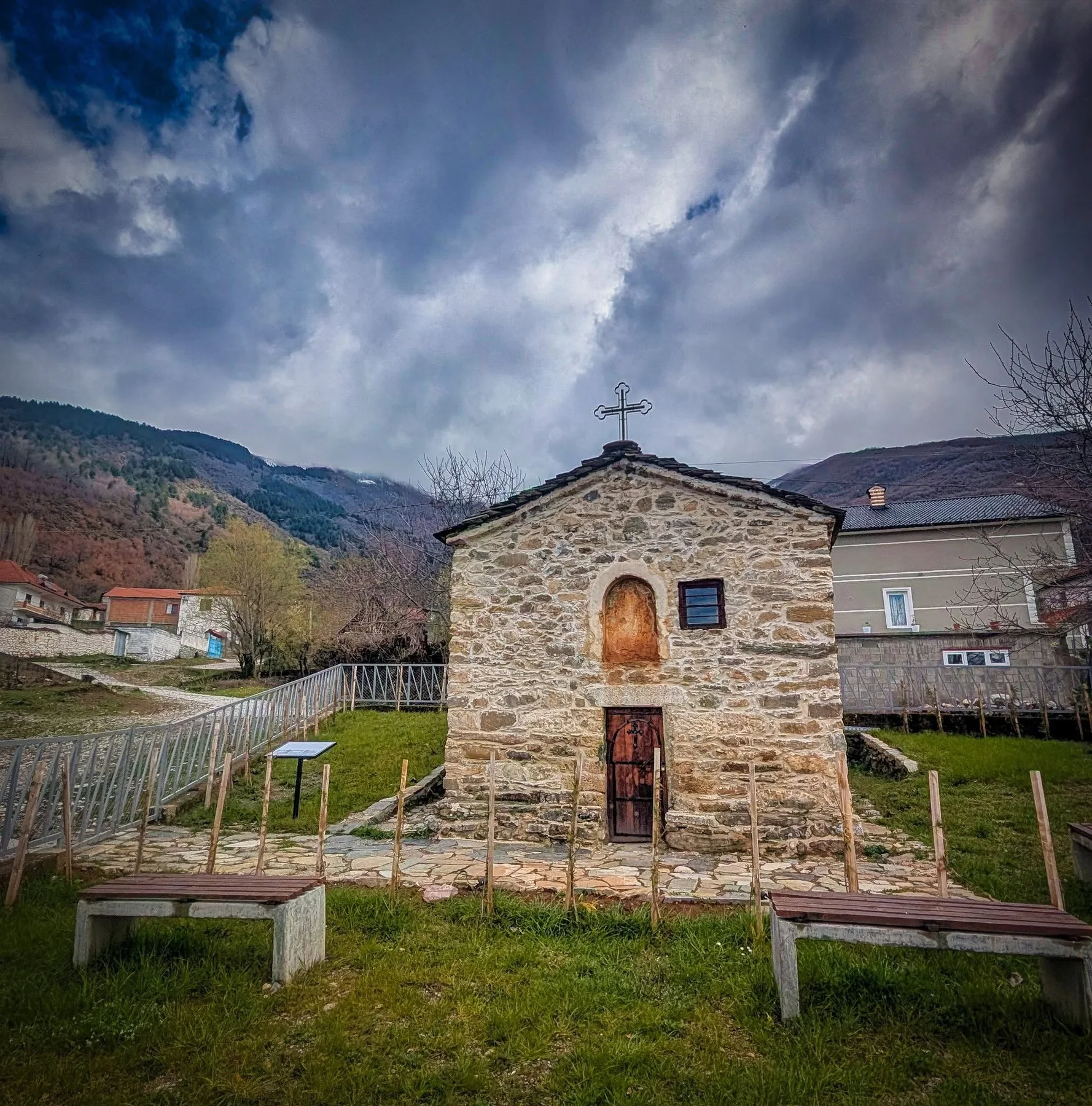
Cultural heritageA distinctive cultural landscape of churches, stone houses and lanes reflecting the layered history of the area.
Protected areaA vast protected landscape of mountains, forests, pastures, villages and rich biodiversity.
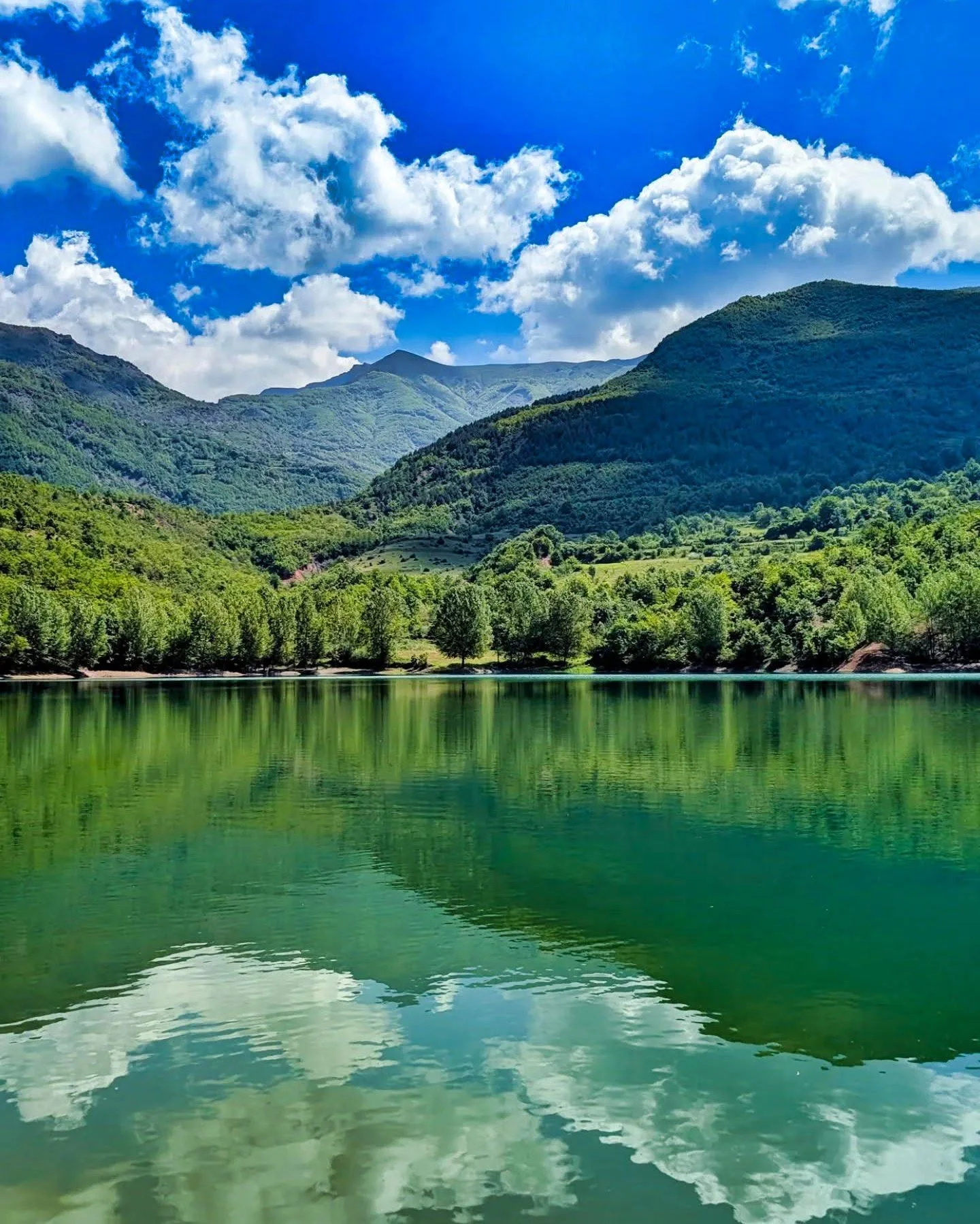
Lake & recreationA green lakeside setting near Peshkopi, suitable for a short nature break, photography and relaxation.
Glacial lakeA glacial lake at about 1,600 metres, famous for white water lilies that bloom in early summer.
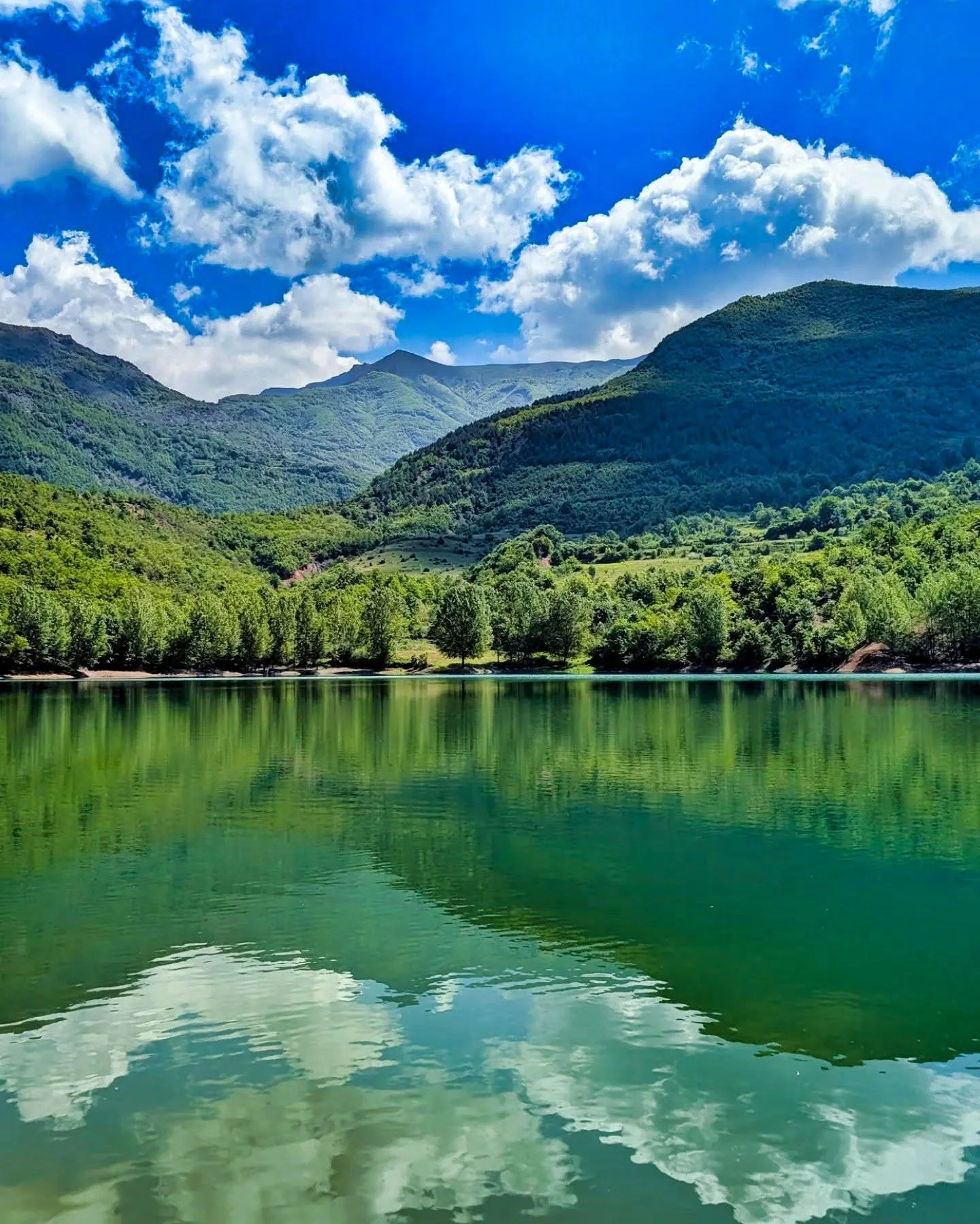
Lake & natureA quiet lake surrounded by greenery and mountains, ideal for photography, careful picnics and a peaceful nature stop.
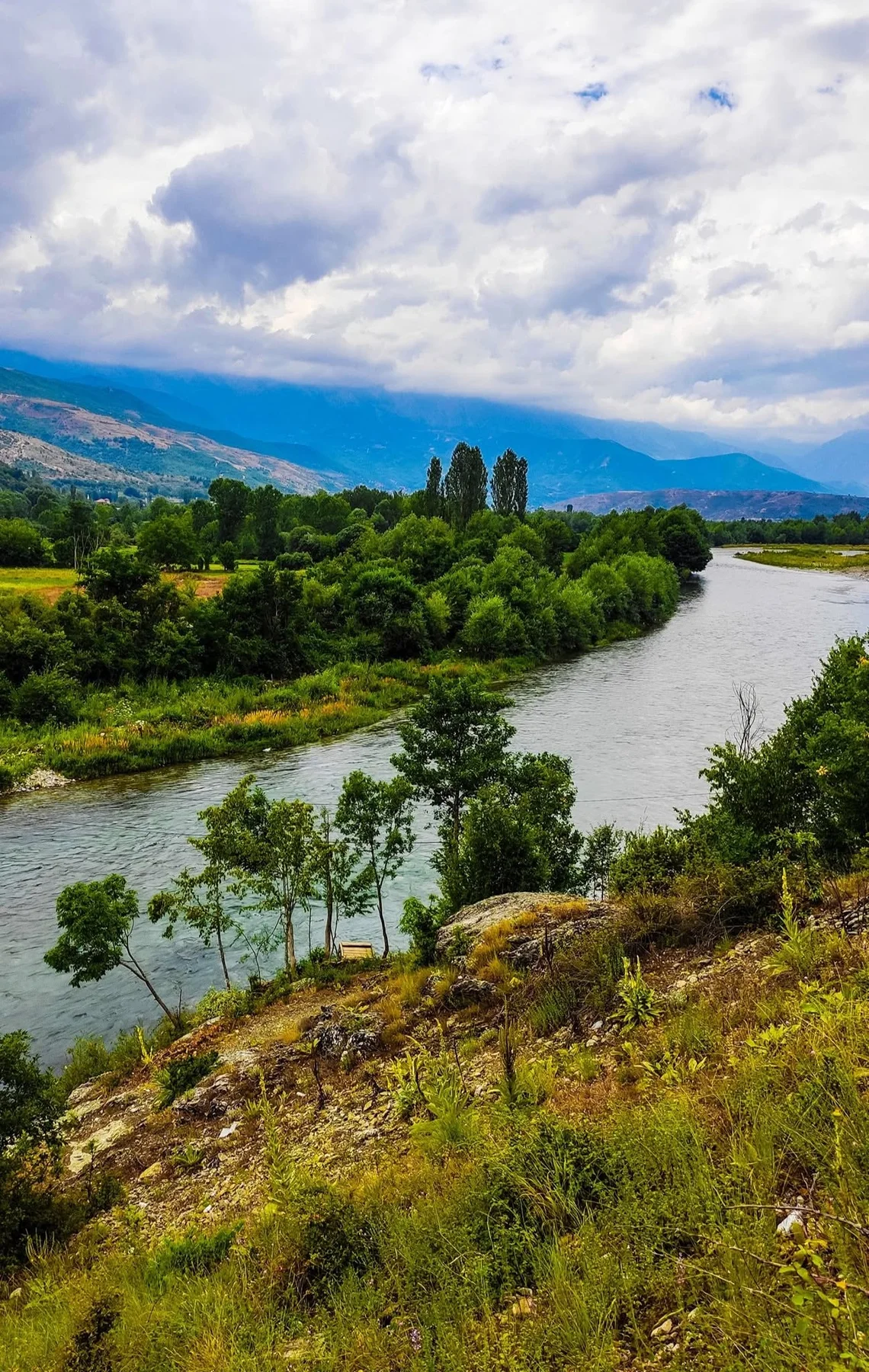
Valley & rural landscapeAn open valley landscape with river views, greenery, hills and traces of historic rural architecture.
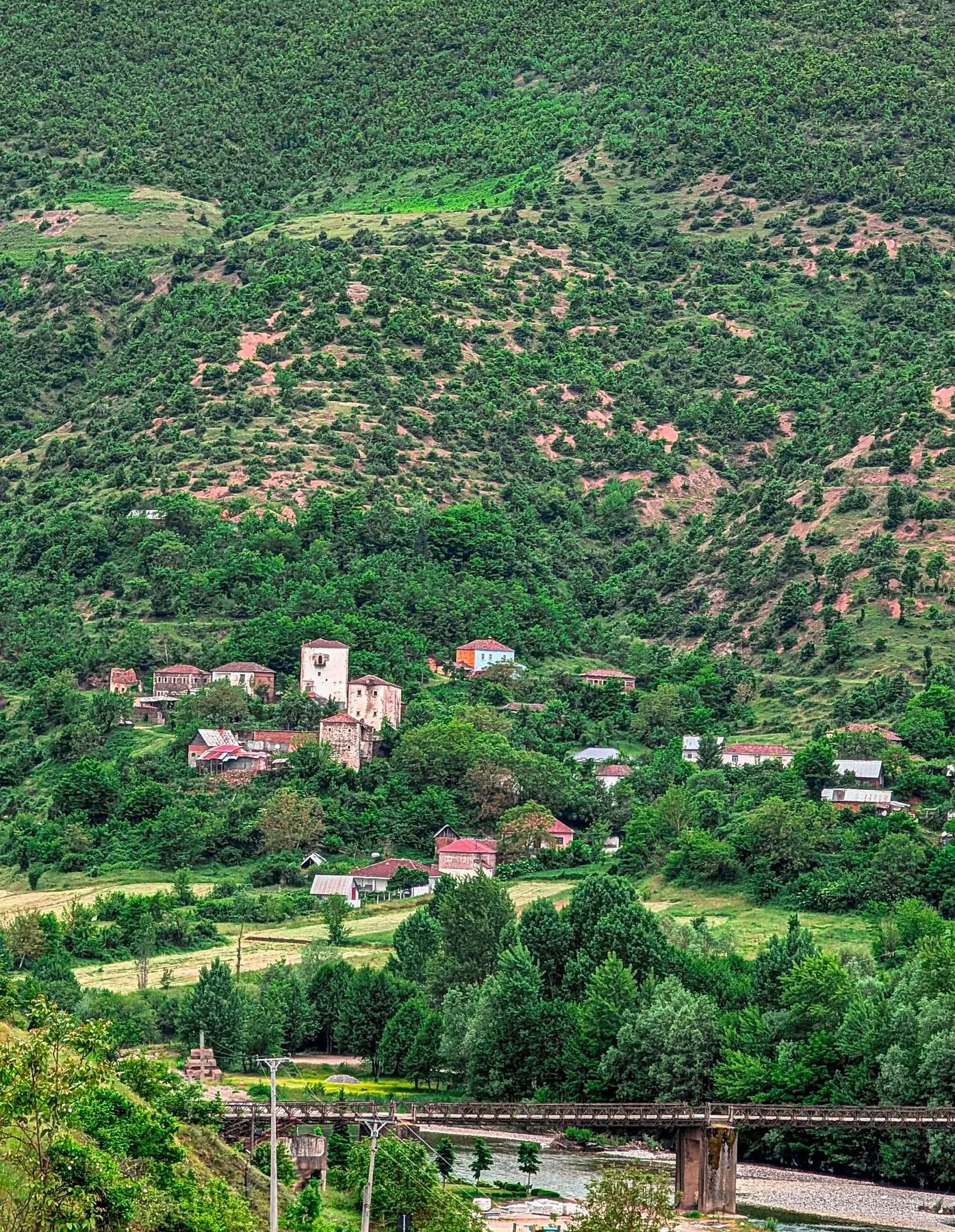
Village & river landscapeA village overlooking the Black Drin valley, with river scenery, bridges, rural houses and surrounding slopes.
History & ethnographyA journey through the history, archaeology and ethnography of the wider Dibër region.
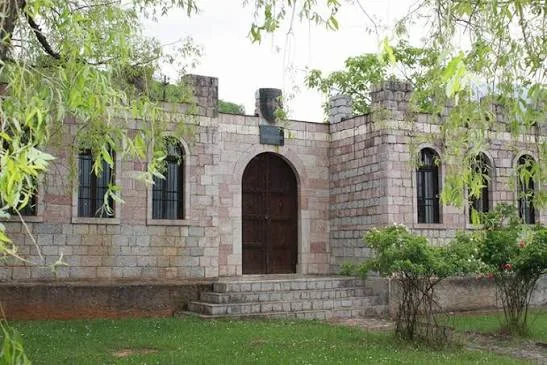
Medieval historyA museum devoted to the Kastrioti family and its historic links with Dibër.
Geological monumentA large gypsum formation with selenite crystals that reflect light at roughly 1,900 metres above sea level.
Mountain village & hikingOne of the best-known gateways to the Korab massif, combining mountain scenery, rural life and trails toward the alpine zone.
Glacial formationA large glacial cirque at around 1,900 metres, shaped like an amphitheatre and covered by alpine pasture.
A karst cave at around 1,000 metres, with approximately 50 metres explored and numerous mineral formations.
Cultural heritageA mosaic of tower houses, religious buildings, memorials and traditions that tell the story of Dibër.
Mountain villageA green mountain village with open views, suited to slow travel, short walks, photography and contact with rural life.
Glacial landscapeA broad glacial shoulder between roughly 1,700 and 2,200 metres above the Zimur area.
No destination found. Try another word.
Pick a season to see what it offers. The current season is selected for you automatically.

Green villages, abundant springs and valley walks. High altitudes may still have snow, so confirm roads.

Peak season for Korab, the Lurë lakes, rafting and camping. Long days, cool nights.

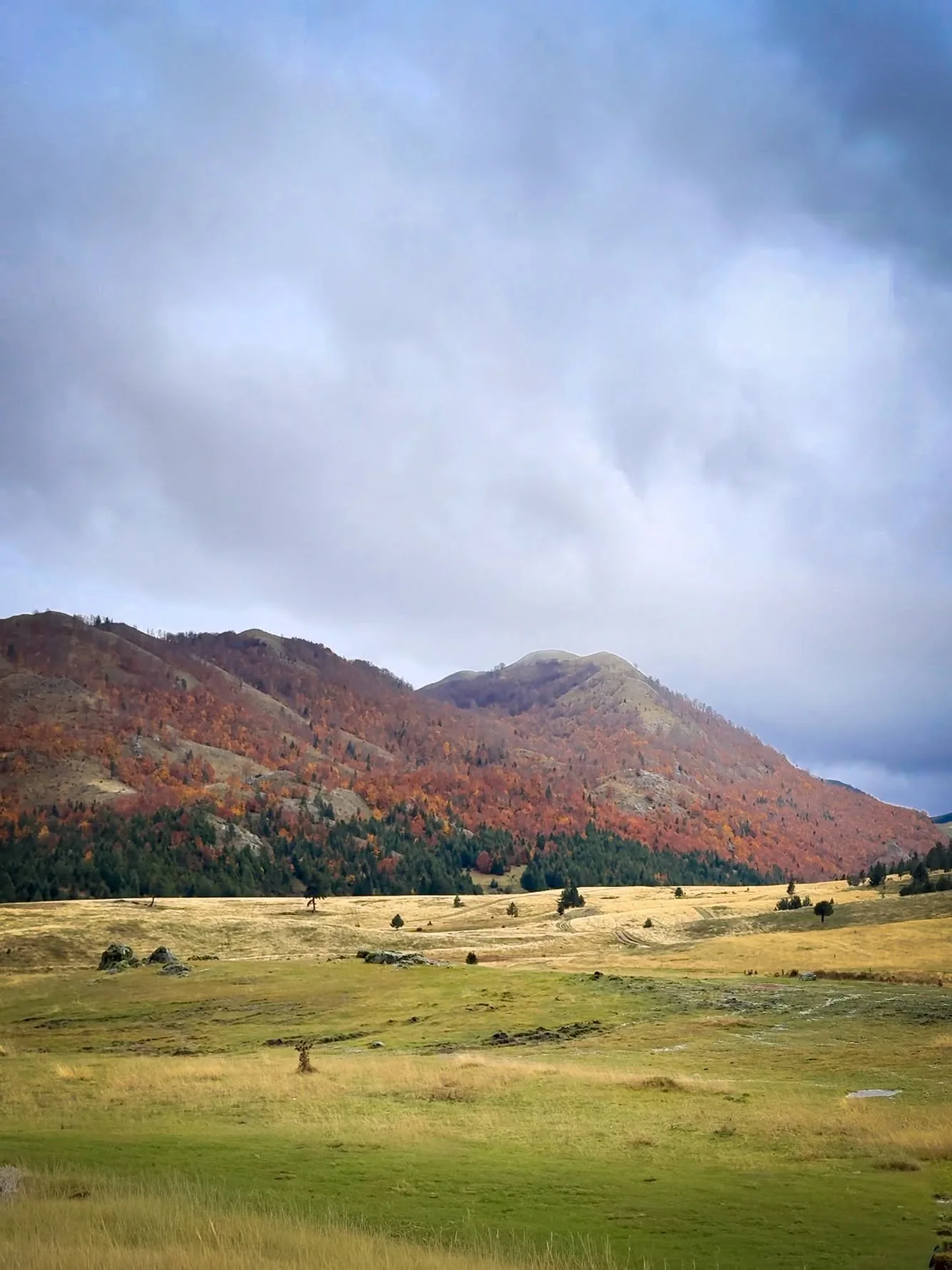
Colourful forests, mild weather and local produce on the table. A good time for stone villages.

Calm, snow at altitude and relaxing in thermal waters. Check mountain roads before you go.
Choose your interest and available time. You will instantly get a suitable itinerary, no sign-up needed.
Accommodation with verified contacts and a table that has the final word on every travel day.
Central accommodation close to the museum and Peshkopi’s main boulevard.
A practical city hotel with easy access to the centre, restaurants and regional routes.
Accommodation in the thermal area, convenient for wellness stays in the Valley of Healing.
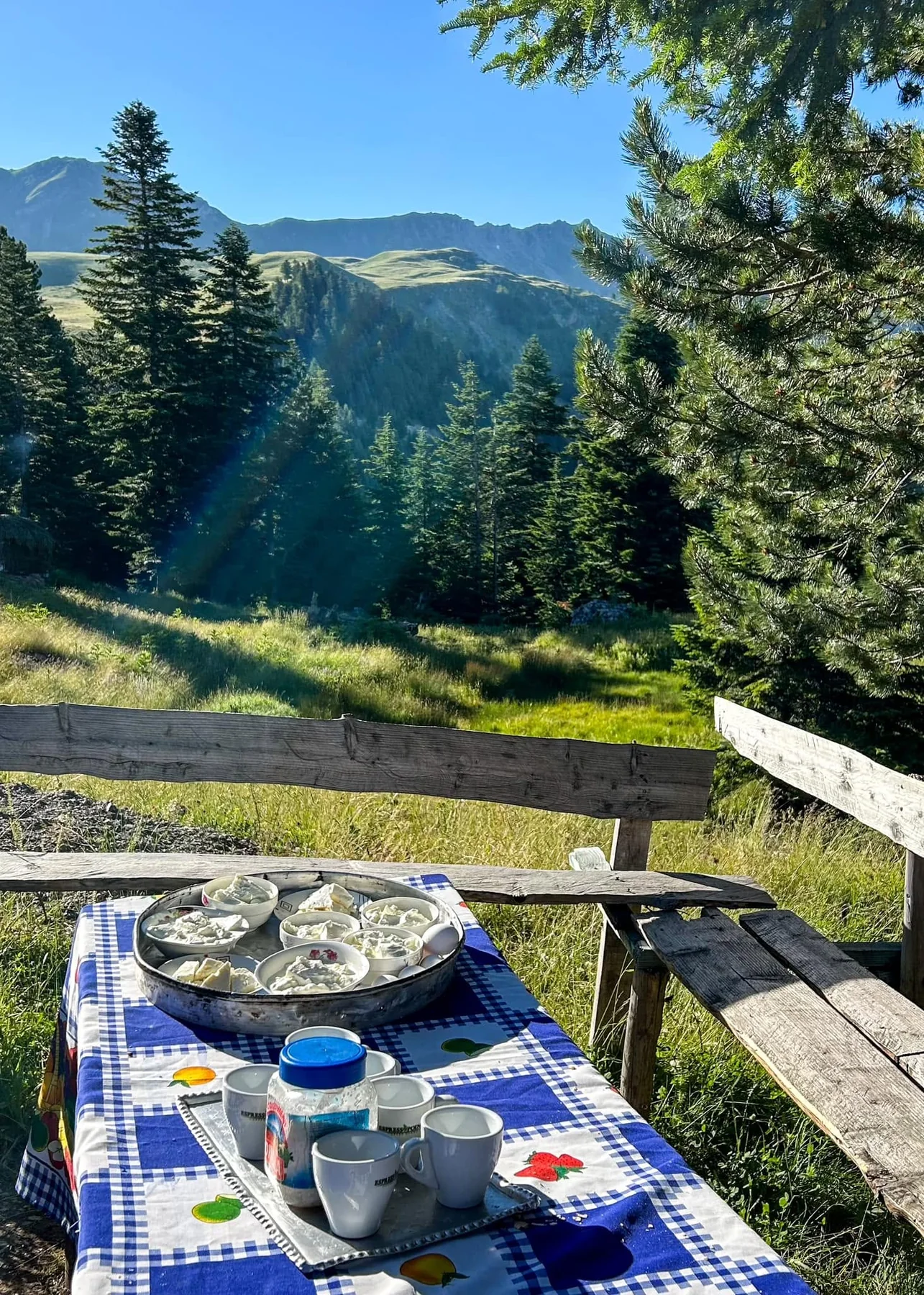
From traditional tables to modern agritourism, Dibran cuisine relies on local produce and home hospitality.
See restaurantsShort tips that make your trip smoother.
Peshkopi is about 3 hours by car from Tirana. For Lurë and high villages, a 4×4 may be needed.
The currency is the lek (ALL). Carry cash in villages and guesthouses.
112 is the single emergency number. Mobile coverage may be missing in the mountains.
Walking shoes, layers, water, sun protection and a warm layer even in summer.
For Korab and longer routes, start early and take a local guide.
Check weather, roads and opening hours, especially off-season.
One day covers Peshkopi, the museum and the thermal springs. For Korab, Lurë and the villages, plan 2–4 days.
Late spring to early autumn for mountains and lakes. The thermal springs and town can be enjoyed all year.
Recommended, especially for first-timers. Start early and check the weather before climbing.
Use the “Request a travel plan” button below or the contact page; we will reply with details.
Yes. Switch language with SQ / EN in the menu above.